What Homeowners Should Know About Roof Replacement in Florida
Replacing a roof in Florida is a significant investment. The climate here is unlike most other parts of the country. Intense sun, heavy rain, and the threat of hurricanes all take a toll on roofing materials. A roof that performs well in a northern state may fail prematurely here. Understanding what goes into a quality roof replacement can help you make informed decisions and avoid costly mistakes.
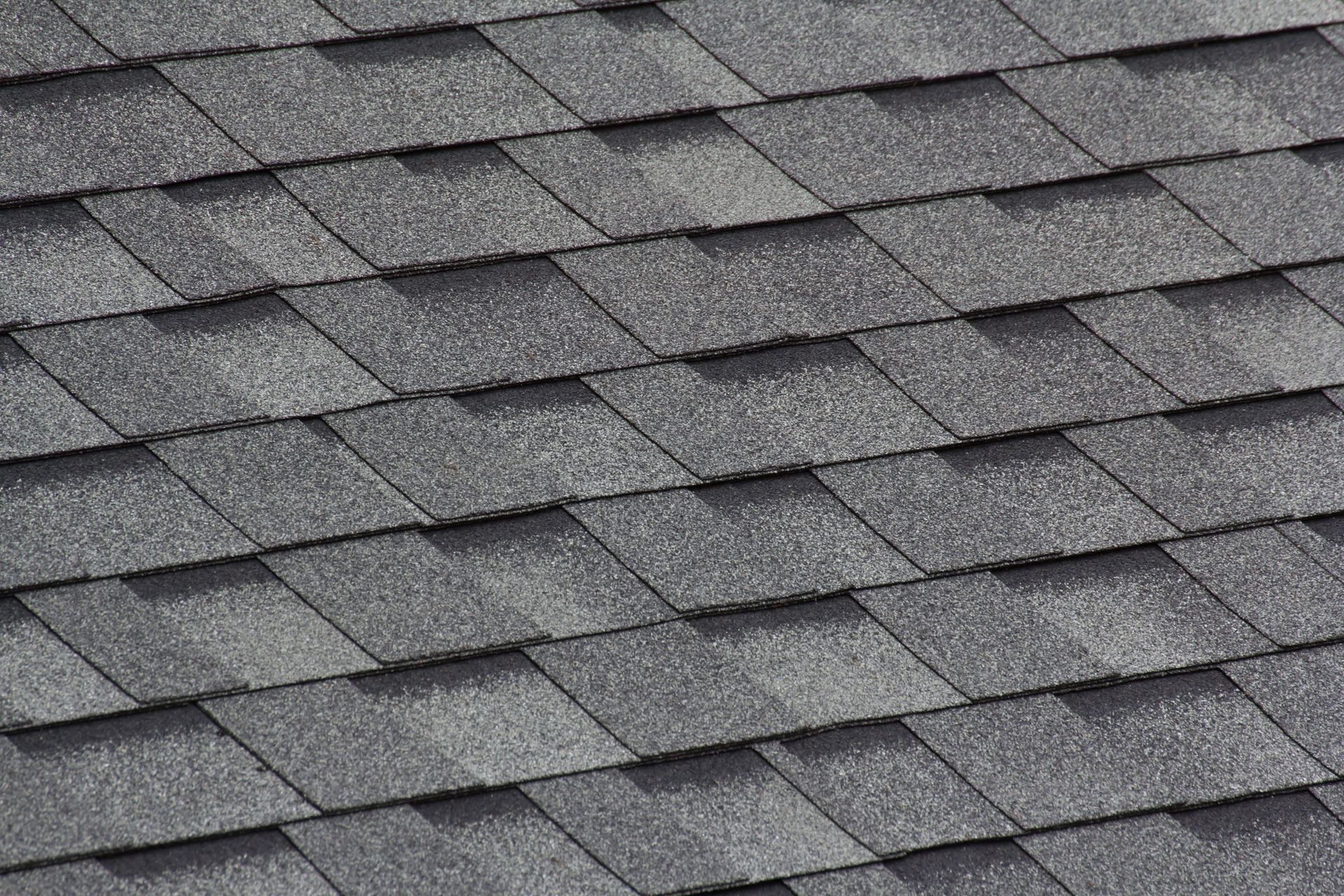
Many homeowners start by looking at shingle colors or material options. Those choices matter, but the real performance of a new roof depends on what happens beneath the surface. Proper underlayment, ventilation, and flashing are what keep water out and extend the life of the roof. Surface material is only one part of the system.
Why Florida's Climate Demands a Different Approach
Heat and humidity are the two biggest challenges for any roof in this region. Standard asphalt shingles can blister or curl when exposed to intense UV radiation year after year. Metal roofing can expand and contract significantly with temperature swings, which puts stress on fasteners and flashings. Flat roof replacement projects are especially sensitive because standing water on a low-slope roof can find even the smallest gap in the membrane.
Beyond the daily weather, Florida also faces tropical storms and hurricanes. Building codes in many parts of the state now require impact-resistant materials and stronger attachment methods. A roof that is not properly secured can peel off in high winds, leading to extensive interior damage. This is not just about the shingles themselves. The deck, the underlayment, and the flashing all need to work together to resist uplift forces.
Storm damage assessment after a hurricane often reveals that failures started at weak points like drip edge flashing or poorly sealed valleys. Those details are easy to overlook during a replacement, but they are critical in a high-wind zone.
Key Components of a Durable Roof System
Underlayment
The underlayment sits between the roof deck and the outer shingles. In Florida, a synthetic underlayment is far more reliable than old-school felt paper. Synthetic materials resist tearing and handle heat better. Tile underlayment, for example, is designed to work with concrete or clay tiles and provides an extra layer of protection against wind-driven rain. Even if a few shingles blow off, a good underlayment can keep the interior dry until repairs are made.
Ventilation
Heat builds up in an attic quickly under the Florida sun. Without proper roof ventilation, that heat can warp decking, accelerate shingle aging, and drive up cooling costs. Ridge vents and soffit vents create airflow that carries hot air out and keeps the roof deck cooler. This simple measure can add years to a roof's life.
Flashing
Flashing directs water away from joints and edges. Drip edge flashing is a metal trim installed along the eaves. It prevents water from seeping under the shingles and rotting the deck. Flashing around chimneys, skylights, and vents must be integrated carefully with the underlayment and the surface material. A gap or a missing piece here is a common cause of leaks.
What to Expect During a Roof Inspection
Before any replacement begins, a thorough roof inspection checklist should be followed. A good inspector looks at the deck condition, the state of existing flashing, signs of moisture in the attic, and the overall slope and drainage. They also check for soft spots in the decking and evidence of past leaks. This inspection determines whether the old deck can be left in place or needs partial replacement.
In Florida, many homes have multiple layers of old shingles. Building codes in most areas now limit the number of layers. Removing old layers adds labor cost but reveals the true condition of the deck. Covering up problems with a new layer of shingles is a short-term fix that leads to bigger issues later.
Material Choices and Trade-Offs
Asphalt shingles remain the most common choice for residential roofs in Florida. They are affordable and familiar. But not all asphalt shingles perform the same. Impact-rated shingles designed for high-wind zones offer better protection. They cost more but can mean the difference between a roof that survives a storm and one that does not.
Metal roofing offers excellent durability and fire resistance. It handles high winds well when installed correctly. The downside is that metal expands and contracts, so fasteners can loosen over time. Proper attachment and the use of slip clips or concealed fasteners help mitigate this. Metal also conducts heat, so attic insulation becomes even more important.
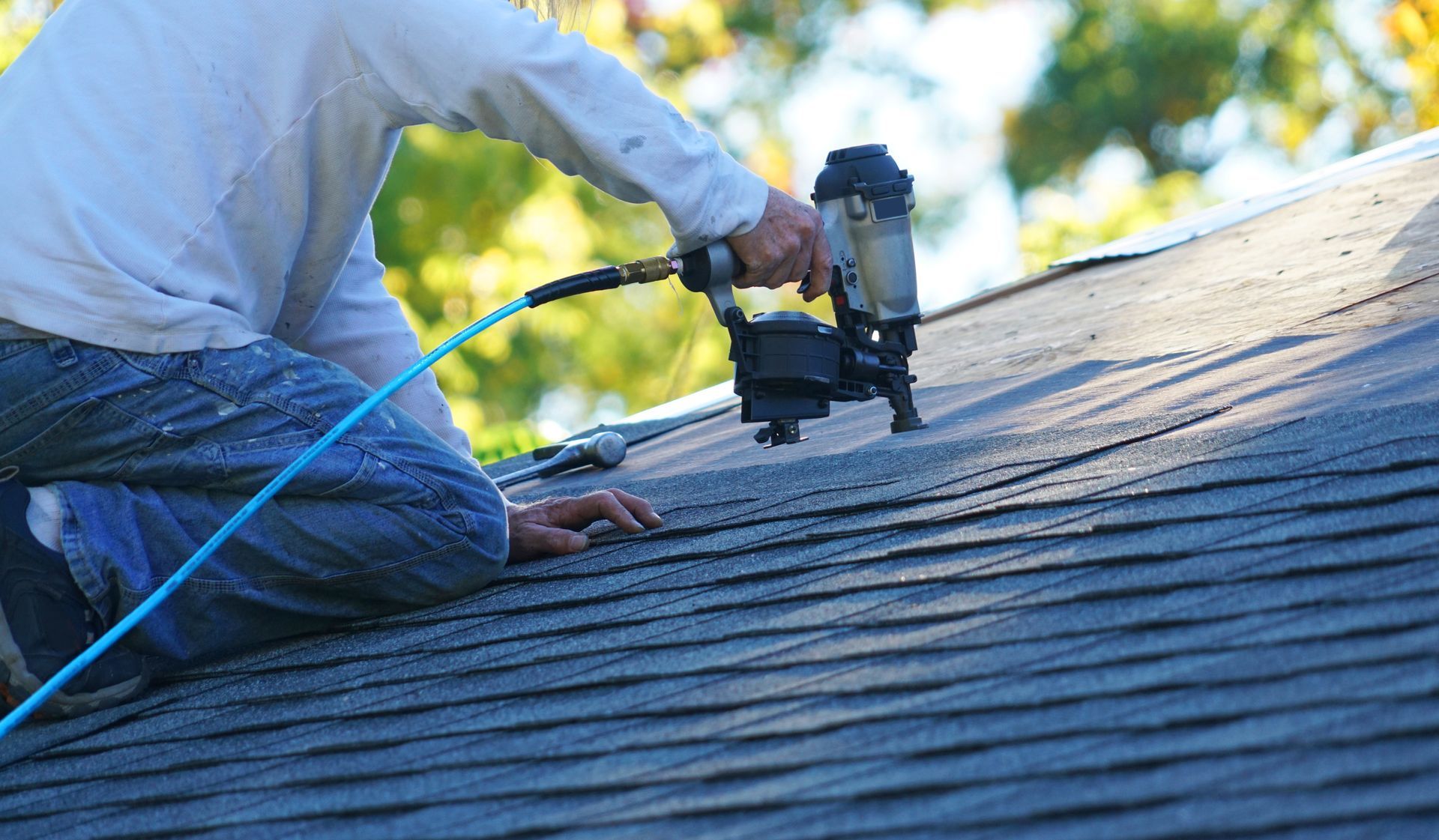
Flat roof replacement often uses modified bitumen or single-ply membranes. These materials are vulnerable to punctures and require careful flashing at all penetrations. A flat roof must have a slight slope to drain water. Ponding water that does not evaporate quickly can lead to membrane failure within a few years.
Tile roofs are common on Spanish or Mediterranean style homes. Concrete or clay tiles are heavy and require a strong deck. The underlayment beneath them must be high quality because tiles can crack or shift. A cracked tile does not leak by itself, but if the underlayment is poor, water finds its way in. Tile underlayment is specifically engineered to handle the gaps between tiles and the wind-driven rain that gets underneath them.
Planning a Florida Roof Replacement
Proper planning makes a big difference in the outcome. A Florida roof replacement should be scheduled during a dry season if possible. Rain delays can push a project past its timeline and leave the home exposed. The contractor should have a plan for covering the roof each night if the forecast calls for rain.
Permits are required for most roof replacements in Florida. The local building department checks that the work meets current wind and impact codes. A permit also means an inspection after the work is done. This adds a layer of protection for the homeowner.
Homeowners should also consider the disposal of old materials. Shingles and underlayment are heavy and create a lot of waste. The removal crew needs to protect landscaping and the driveway. Ask about cleanup procedures before work starts.
Common Mistakes to Avoid
- Skipping the underlayment upgrade to save money. The underlayment is your last line of defense during a storm.
- Ignoring ventilation. A hot attic shortens shingle life and increases cooling costs.
- Choosing shingles by color only. Wind rating and impact resistance matter more.
- Not replacing damaged decking. A new roof on a rotten deck fails quickly.
- Using the old flashing. Reusing flashing often leaves gaps that let water in.
Looking Beyond the Surface
A roof replacement is a chance to fix underlying issues that may have been hidden for years. The time to address ventilation problems, deck damage, or inadequate flashing is when the old roof is off. Adding these items during the replacement costs far less than doing them later as separate repairs.

Ask about drip edge flashing and ridge vents during the planning phase. A contractor who discusses these details is thinking about long-term performance. One who only talks about shingle colors may be overlooking the parts of the roof that matter most.
Storm damage assessment after a hurricane often shows that homes with proper underlayment and flashing fared much better than those without. The visible damage may be similar, but the interior stays dry when the secondary barriers hold. That is the real value of a well-built roof system.
Whether you choose asphalt shingles, metal roofing, or a flat roof replacement, the principles are the same. The surface material is important, but the layers beneath it determine how long the roof lasts and how well it protects your home. A roof that is built right for Florida's climate will give you peace of mind through every storm season.